The Republic of Play — Rob Ruck
2026 Update
I haven’t updated this site since it went up in 2018. I have no excuse for that, but it’s been a busy stretch.
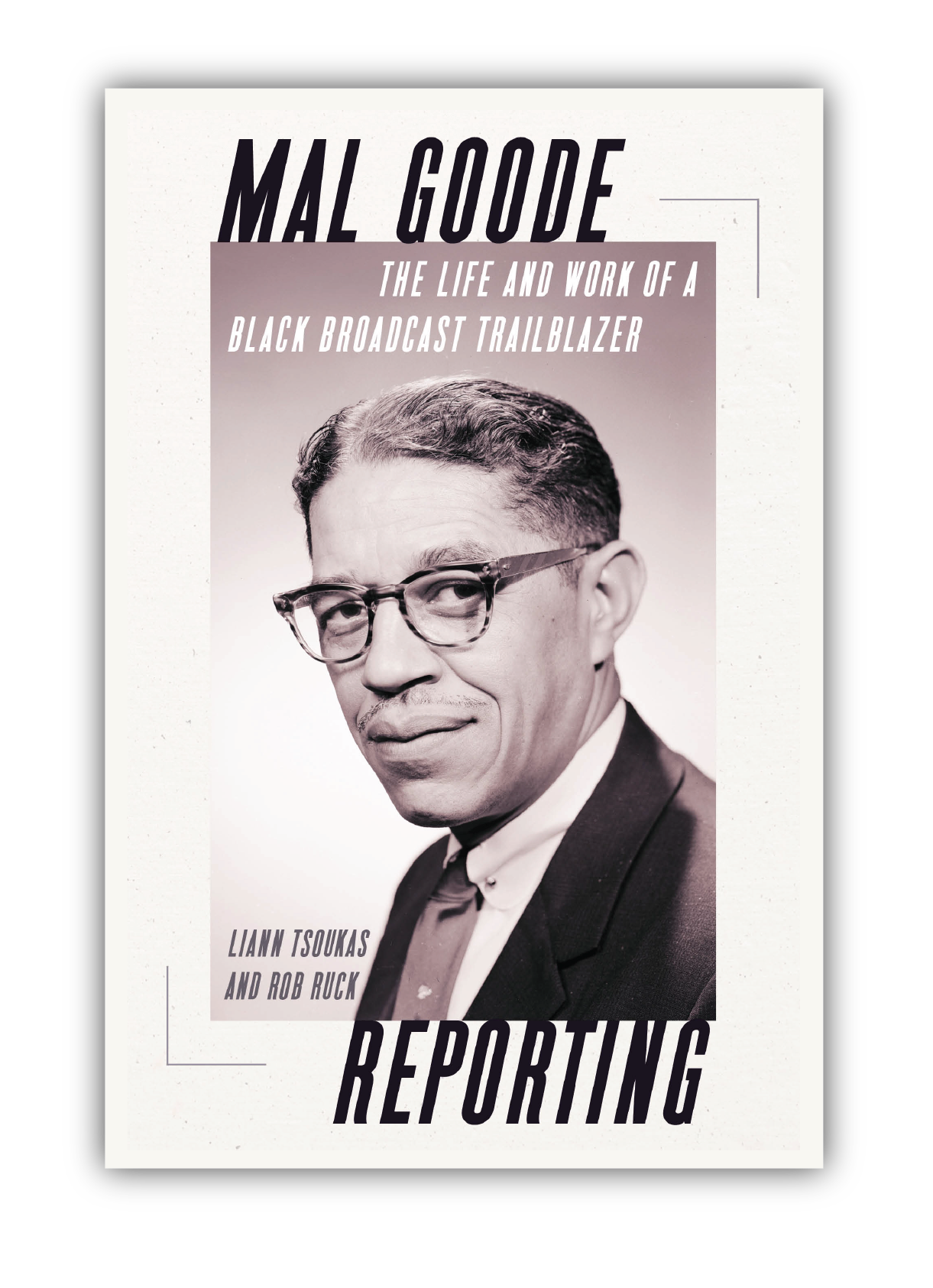
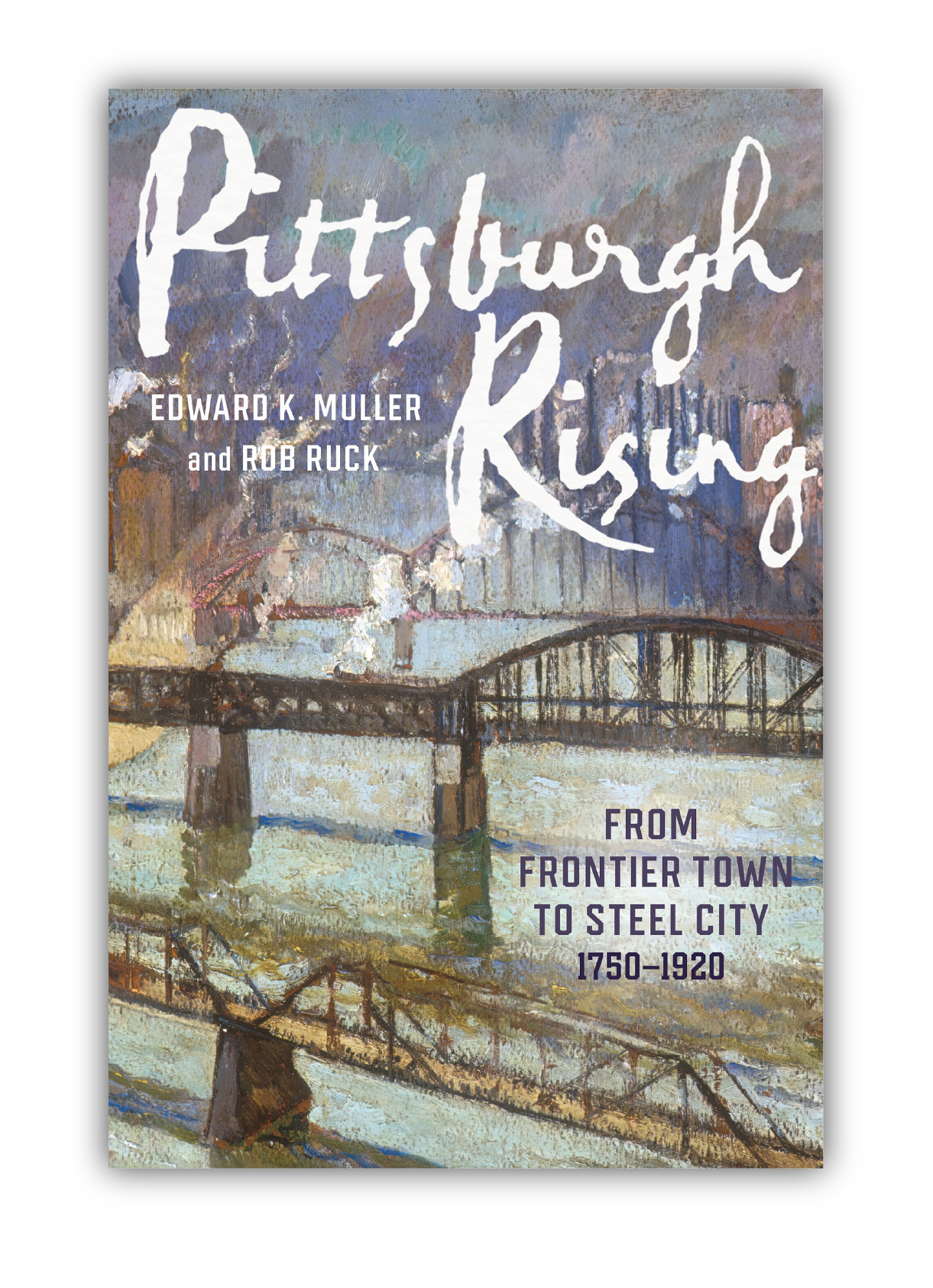
In addition to finishing Pittsburgh Rising, Mal Goode Reporting, and The Souls of the Game, I’ve been working on a book about youth sport with a working title of Youth in the Republic of Play. It’s more or less a capstone to what I’ve been teaching and writing about sport for some time. I describe this project in the Works in Progress section. I’ve drafted most of the manuscript and want to complete the rest of it after traveling to New Zealand and Ghana over the next few months.
I also worked on a project led by Joe Trotter, the incomparable historian and founder of CAUSE, the Center for Africanamerican Urban Studies and the Economy at Carnegie Mellon University. I was part of the team that Joe assembled to write A New History of Black Pittsburgh, which will be published in 2027.
Another project I helped with over the last few years was a terrific documentary called The League. It’s about the Negro Leagues and baseball in the black community. Sam Pollard was its director, Robin Espinola its producer, and Questlove the executive producer. Magnolia Films released it in 2023. I’ve helped with several documentaries but these guys were the best.
Meanwhile, Tropic of Football: The Long and Perilous Journey of Samoans to the NFL was on the Long List for the PEN-ESPN Literary Sportswriting Award for 2018 and I was a recipient of the Henry Chadwick Award, Society for American Baseball Research, in May 2026.
I’ve come to think of sport—at its best—as the republic of play, offering a vision of society in which fairness prevails—an ethical, transparent arena where performance matters the most and people validate their worth by the strength and acumen of their opponents. It prizes fair play, celebrates the body and the mind, and tests our ability to overcome challenges. At its best, sport creates social capital because being a part of a team in which you have each other’s back and compete with a common purpose is one of life’s treasures.
But just as the early American republic embraced slavery and exclusion alongside national liberation and notions of freedom, the republic of play can be a mean and vicious place—where youth become vulnerable commodities on a global supply chain; the athletes we applaud are traumatized, and sport used to promote anger and misogyny, bringing out the worst—not the best—in us.
Much of what I’ve done as a teacher, writer, and collaborator explores the republic of play. At a moment when some seek to reverse the gains of the civil rights movement, elevating ethno-nationalism over cooperation and social inclusion, sport has a critical role to play—in forging dialogue between people whose lives rarely connect; in encouraging healthy life-styles; in appealing to our better angels and moving beyond zero sum games.
I came of age at a time when the movements of the ‘60s made us rethink our lives. Those movements showed that when people acted they could have an impact—on the law, the Vietnam war, and matters of social and personal liberation. Crosby, Stills, Nash, and Young encouraged people to “please come to Chicago” for the trial of the Chicago 8, who were arrested for conspiracy to disrupt the 1968 Democratic Party Convention. They urged people to support the defendants because, as they sang, “we can change the world.” We might not have changed it as much as we wished, and provoked a backlash that has done considerable damage, but we changed it, and often for the better. And I believe that we can work toward that republic of play, where people control their own sporting lives and use it to build better lives.
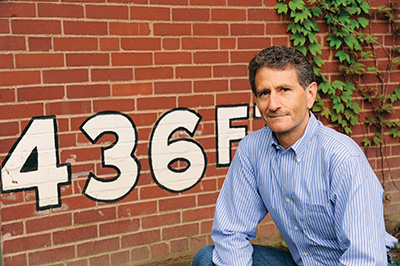
After the energy of the 1960s faded, Rob Ruck began studying labor and social movements at the University of Pittsburgh, where he now teaches the history of sport. In courses, books, and documentaries, he's focused on how different groups of people use sport to tell a story about themselves. He still lives in Pittsburgh but lost his best friend, co-author, and wife Maggie Patterson in November 2025. Maggie made Rob a much better writer and person, something she did for many friends and students over the years.
Curriculum Vitae
Download it here.
Contact Rob
Email: rucco@pitt.edu or ruck439019@aol.com
Phone: 412-482-0174
Rob Ruck
3536 Posvar Hall
University of Pittsburgh
Pittsburgh, PA 15260